By SVS, Whiskey Expert
Introduction
In the realm of whiskey, age statements are much more than just numbers on a bottle; they are a testament to the journey of maturation and flavor development. I’m SVS, a whiskey aficionado, here to delve into the fascinating world of age statement whiskeys and how aging duration impacts their flavor.
Understanding Age Statement
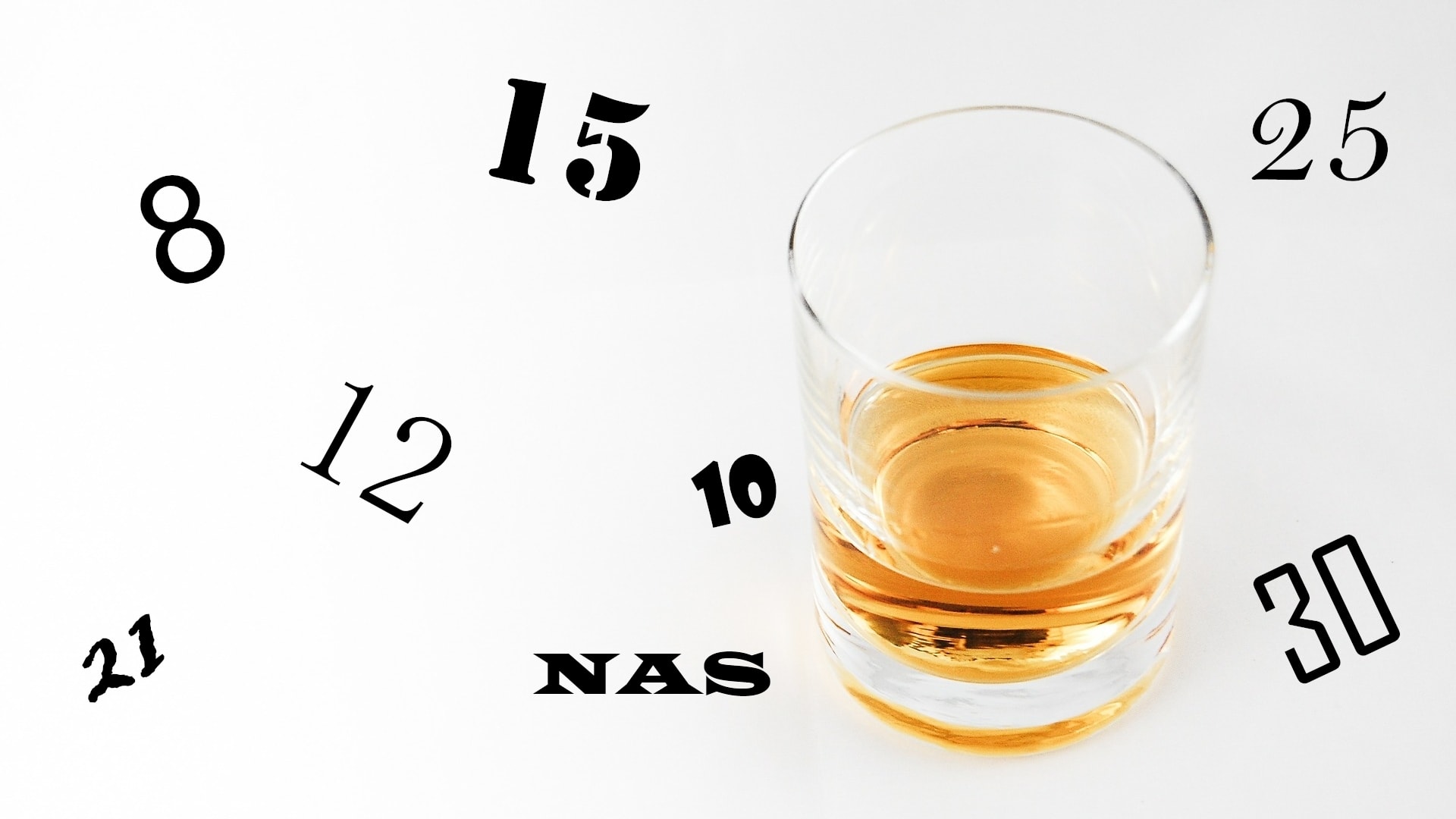
An age statement on a whiskey bottle indicates the youngest whiskey in the blend. It’s a guarantee of the minimum time the spirit has spent maturing in barrels, absorbing the nuances of the wood and its environment.
The Impact of Aging on Flavor
1. Young Whiskeys (Up to 10 Years): Younger whiskeys, such as Glenlivet 10 or Bulleit Bourbon, often exhibit brighter, more vibrant flavors. Expect notes of fresh fruits, grass, and a sharper grain character. The influence of the cask is present but not overwhelming, allowing the original spirit character to shine through.
2. Middle-Aged Whiskeys (10 to 18 Years): This is where magic starts to happen. A Glenfiddich 15 or a Lagavulin 16, for instance, shows a beautiful balance between the spirit’s character and the influence of the wood. These whiskeys often display a harmonious mix of fruitiness, spices, and oak, with a more rounded and complex profile.
3. Older Whiskeys (20 Years and Above): As whiskeys enter this venerable age, they become more about the nuances of the cask. A Macallan 25, for example, is likely to offer deep, rich flavors – think dark chocolate, dried fruits, and a pronounced oakiness. The longer aging process imparts a greater depth and complexity, often with a smoother, more mellow character.
The Role of the Cask
The type of cask used (sherry, bourbon, port, etc.) also significantly influences the flavor. Over time, the spirit draws out different flavors from the wood, which can include vanilla, caramel, nutty, or dried fruit notes.
Price vs. Quality
It’s a common misconception that older whiskeys are always “better.” In reality, age is just one factor in the quality of a whiskey. The skill of the distiller and blender, the quality of the ingredients, and the type of casks used all play crucial roles. Sometimes, a well-crafted 12-year-old can be more enjoyable than a 25-year-old whiskey.
Conclusion
Age statement whiskeys offer a fascinating glimpse into the impact of time on spirits. While older whiskeys often boast complexity and depth, younger expressions can impress with their freshness and vitality. The key is to explore and find what resonates with your palate.
As we journey through the diverse ages of whiskey, we learn that each year in the barrel tells its own story, contributing to the rich tapestry of flavors in our glass. So, whether you prefer the youthful exuberance of a 10-year-old or the mature elegance of a 25-year-old, each age statement whiskey is a celebration of time and craftsmanship.
Remember, in the world of whiskey, time isn’t just measured in years; it’s measured in flavor.
—
SVS, with his profound knowledge and passion for whiskey, guides enthusiasts through the nuanced world of age statement whiskeys, highlighting the intricate relationship between aging duration and flavor development.
