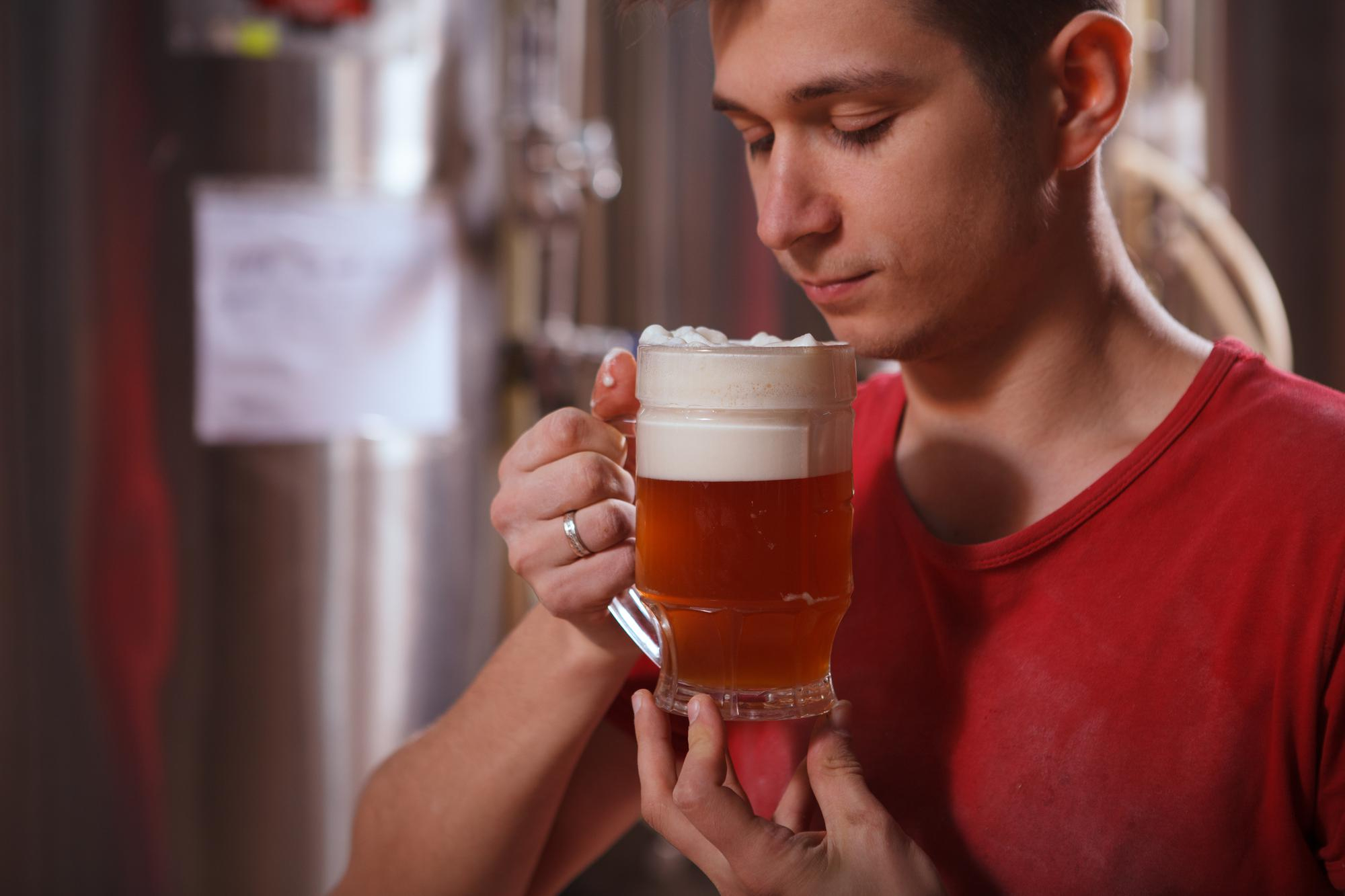
Greetings, fellow enthusiasts and curious minds. As a connoisseur deeply entrenched in the rich tapestry of liquor culture, I find beer tasting to be a sublime journey through the senses. The act transcends mere consumption, becoming an exploration of history, geography, and craftsmanship. Today, I invite you to delve into the art of beer tasting, a pursuit that unveils the intricate spectrum of aromas and flavors inherent in this age-old beverage.
The Symphony of the Senses
Beer tasting is akin to attending a symphony, where each note contributes to the grandeur of the experience. It begins with the visual allure—the hue, clarity, and effervescence that beckon the eye. From the pale straw of a Pilsner to the deep ebony of a Stout, the visual aspect sets the stage for what’s to come.
Next, we engage the nose, where the ballet of aromas plays out. Hops bring forth a range of scents from floral to citrus, while malts contribute sweetness, reminiscent of caramel or chocolate. The yeast adds its own character, sometimes spicy, sometimes fruity. This aromatic prelude hints at the complexity that awaits on the palate.
The Tasting Ritual
The act of tasting is where the true artistry lies. A thoughtful sip allows the beer to cover the tongue, revealing layers of flavor. The tip of the tongue detects sweetness, the sides perceive sourness and saltiness, while bitterness lingers at the back. This is where the beer’s character unfolds, from the initial malt sweetness to the middle notes of fruit or spice, culminating in the hoppy bitterness that often defines the finish.
But the experience doesn’t end there. The aftertaste, or the finish, is crucial. It’s the lingering impression that a beer leaves, inviting reflection and often, the desire for another sip.
Expanding the Palate
To truly appreciate the spectrum of beer, one must venture beyond the familiar. The world of beer is vast, with styles that range from the crisp and quenching lagers to the robust and complex ales. Each style offers a unique profile, shaped by its ingredients, fermentation, and brewing techniques.
Exploring this diversity can be a rewarding endeavor. Tasting sessions, whether at a brewery, a beer festival, or a gathering of like-minded friends, offer opportunities to compare and contrast different styles, deepening one’s understanding and appreciation.
Mindful Tasting
Mindfulness enhances the tasting experience, allowing one to fully immerse in the sensory nuances. It’s not merely about drinking; it’s about observing, smelling, tasting, and savoring. Keeping notes can be a helpful practice, enabling one to track preferences, discover patterns, and articulate the qualities that resonate most.
The Cultural Tapestry
Beer tasting is more than an individual pursuit; it’s a gateway to community and culture. Each beer tells a story of its origin, its people, and their traditions. Engaging with fellow enthusiasts, brewers, and connoisseurs opens up dialogues, broadening one’s perspective and enriching the tasting experience.
Conclusion
The art of beer tasting is a journey through the senses, a celebration of diversity, and a homage to craftsmanship. It invites curiosity, demands presence, and offers endless discoveries. As we explore this vibrant spectrum, we connect with the rich heritage and communal spirit that beer embodies. So, raise your glass, take a mindful sip, and savor the symphony of aromas and tastes that the world of beer has to offer.
To the uninitiated, I extend a warm invitation to embark on this sensory adventure. To the seasoned aficionados, may your journey continue to be filled with delightful surprises. Together, let’s toast to the art of beer tasting.
Cheers,
SVS
