Ahoy, fellow rum enthusiasts! Today, we embark on a journey to explore the captivating world of rum. As an avid rum connoisseur hailing from the vibrant city of Bangalore, I am thrilled to share with you a beginner’s guide to rum, where we’ll delve into its types, flavors, and intriguing history. So, grab your favorite glass, sit back, and let’s set sail!
1. The Origins and History of Rum:
Let’s start our voyage by uncovering the fascinating history of rum. Originating in the Caribbean, rum’s roots can be traced back to the 17th century when sugarcane plantations thrived. From the bustling distilleries of Barbados to the pirate-infested waters of the Caribbean, rum played a significant role in the region’s culture and economy. Its rich history intertwines with tales of exploration, colonialism, and even rebellion.
2. Types of Rum: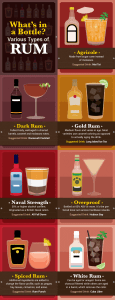
Rum comes in a wide array of varieties, each with its unique characteristics. Here are some popular types you should know:
- White or Light Rum: Known for its subtle flavor profile and versatility, this rum is often used in cocktails like Mojitos and Piña Coladas.
- Dark Rum: Aged in charred oak barrels, dark rum boasts a fuller body and richer flavors, with hints of caramel, molasses, and spices.
- Spiced Rum: Infused with a blend of spices like cinnamon, nutmeg, and vanilla, spiced rum delivers a delightful warmth and complexity.
- Aged or Premium Rum: These rums undergo a lengthier aging process, which results in a smoother, more refined taste. Look for terms like “aged,” “extra-aged,” or “reserve” on the label.
3. Exploring Rum Flavors:
One of the most captivating aspects of rum lies in its diverse flavor profiles. Whether you prefer sweet, fruity notes or deep, complex undertones, there’s a rum for every palate. Common flavor profiles include:
- Fruity: Think tropical fruits like pineapple, mango, and banana, which lend a vibrant and refreshing taste to certain rums.
- Spicy: With hints of cinnamon, clove, or pepper, spicier rums provide a warm and invigorating experience.
- Caramel and Vanilla: These flavors arise from the aging process, giving rums a smooth and luscious character.
- Smoky and Earthy: Some rums feature subtle smoky or earthy undertones, adding a touch of intrigue to their flavor profiles.
4. Rum in Cocktails:
No exploration of rum would be complete without mentioning its role in crafting tantalizing cocktails. From the timeless classics to modern mixology creations, rum shines in a wide range of libations. Consider trying a few well-known rum cocktails, such as the refreshing Mojito, the tropical Mai Tai, or the iconic Dark ‘n’ Stormy. These cocktails showcase the versatility and flavor possibilities that rum offers.
Conclusion:
As our voyage through the world of rum comes to a close, I hope this beginner’s guide has provided you with a solid foundation to embark on your own rum-tasting adventures. From understanding the different types and flavors to appreciating its intriguing history, rum has a story to tell and flavors to savor. So, whether you’re sipping it neat, mixing it into cocktails, or exploring unique rum-based concoctions, embrace the spirit of adventure and enjoy the journey. Cheers, and may your rum-infused experiences be memorable and delightful!
Note: Remember to enjoy rum responsibly and always drink in moderation.
