Introduction
Hello, fellow wine lovers! I’m SVS, your guide on a delightful journey into the world of dessert wines. These sweet, often overlooked wines are a category unto themselves, offering complexity, elegance, and a perfect end to any meal. Let’s uncork the secrets of dessert wines and discover how they can elevate your dining experience.
1. Understanding Dessert Wines
Dessert wines are sweet wines typically served with or as dessert. The sweetness in these wines is not just about the sugar but involves a careful balance with acidity, alcohol, and sometimes tannins, making them rich and complex.
2. The Many Styles of Dessert Wines
Dessert wines come in various styles, from the light and fizzy Moscato d’Asti to the rich and viscous Port. Other styles include Sauternes, Sherry, and Ice Wine, each with its unique production method and flavor profile.
3. The Art of Production
The sweetness in dessert wines is achieved through various methods: late harvesting (allowing grapes to overripen on the vine), noble rot (a beneficial mold that concentrates sugar in the grapes), freezing the grapes (for ice wines), or fortification (adding spirits to halt fermentation).
4. Pairing Dessert Wines
The key to pairing dessert wines is to match the sweetness level of the wine with that of the dessert. A rule of thumb: the wine should be as sweet, if not sweeter, than the dessert. For
example, a Sauternes is exquisite with foie gras or a blue cheese, while a Port can beautifully complement a rich chocolate dessert.
5. Serving and Storing Dessert Wines
Dessert wines are best served in small portions due to their richness and sweetness. They should be served at the right temperature, generally cooler for lighter wines and slightly warmer for heavier, fortified wines. These wines can also age well, developing deeper flavors over time.
6. Exploring Beyond the Traditional
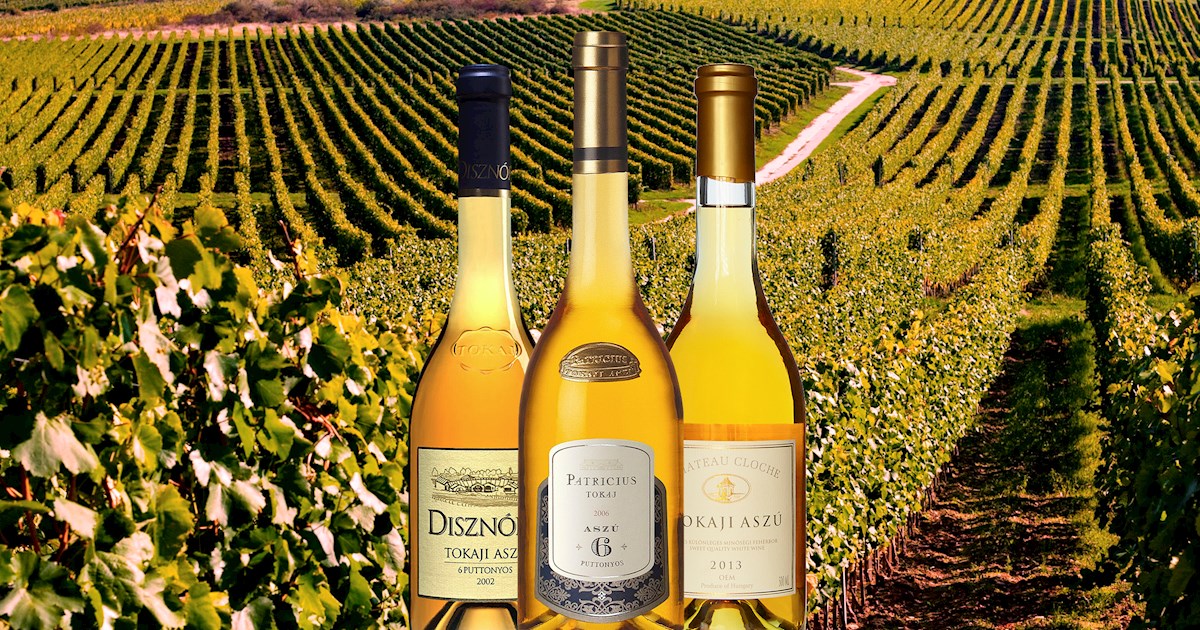
While well-known dessert wines have their charm, exploring lesser-known varieties can be rewarding. For instance, try a Vin Santo from Italy, or a Tokaji from Hungary, to experience different expressions of sweetness and complexity.
7. Dessert Wines in Everyday Life
You don’t need a special occasion to enjoy a dessert wine. They can be a delightful end to a casual dinner or even enjoyed on their own as a treat. Experiment with pairings – a glass of Port with a chunk of dark chocolate can turn an ordinary evening into something special.

Conclusion
The world of dessert wines is rich and varied, offering something for every palate. Whether you’re new to these wines or a seasoned connoisseur, there’s always something new to discover and savor. So next time you’re planning a meal or looking for a unique wine
experience, consider the sweet indulgence of a dessert wine.
Cheers to sweet discoveries!
SVS, Wine Enthusiast
